Calm Evenings, Full Plates
Here we focus on meal planning and grocery systems for stress-free weeknights, turning hurried afternoons into a confident, repeatable rhythm. You will learn to pre-decide dinners, shop with intention, and prep tasty building blocks that simplify everything. Expect practical checklists, real-life stories, and proven routines that keep flavor up while stress stays down. Bring your calendar, a pen, perhaps a hungry crew, and let’s design evenings that feel generous, predictable, joyful, and delicious without sacrificing spontaneity or your budget.
Rituals That Make Decisions For You
The Five-Minute Weekly Huddle
Set a timer, open your calendar, and sketch dinners beside real constraints like soccer practice, late meetings, or guests. Choose two flexible meals, one leftover night, and one emergency option. This tiny ritual prevents decision fatigue and nudges grocery choices into alignment. My most chaotic Tuesdays calmed down once this five-minute moment became nonnegotiable.
Preferences Without Picky Drama
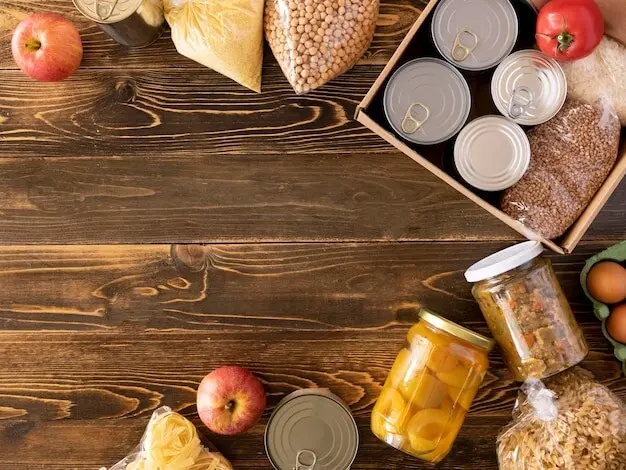
Collect a living list of family favorites, dietary needs, and strong dislikes without judgment. Rotate crowd-pleasers, invite one new dish weekly, and anchor experiments to low-stakes nights. Label proteins, sauces, and grains people reliably enjoy, then mix and match. When everyone feels seen, dinner battles soften, and planning becomes a respectful, collaborative puzzle instead of a chore.

A Visible Plan
Post the plan where eyes naturally land: fridge door, kitchen whiteboard, or a shared digital doc. Visibility creates calm accountability and reduces the classic question, what’s for dinner? Leave space for swaps, note thawing reminders, and mark leftovers. Seeing the roadmap turns assumptions into agreements, allowing even a tired cook to feel supported by the system.
A Grocery System That Runs Itself
Shopping becomes lightning fast when your list is standardized, your pantry zones are defined, and restocking happens on autopilot. Build a master list by category, pair it with a quick pantry check, and map it to your store’s aisles. Fewer laps, fewer impulses, more alignment with real meals you’ll cook and actually enjoy all week long.
Power Hour Prep
Set one hour with cheerful music and a short list: chop onions, roast two trays of vegetables, cook a pot of rice or quinoa, and whisk a quick vinaigrette. Label containers with dates, keep sauces upfront, and stack grains eye-level. Later, you’ll combine these into tacos, bowls, or salads without scrambling, savoring momentum instead of exhaustion.
Freezer Building Blocks
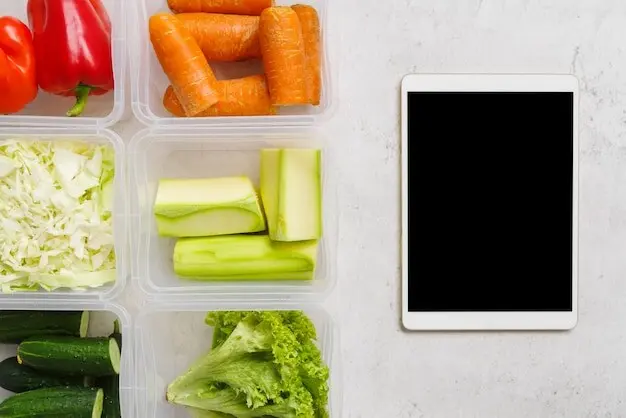
Think components, not casseroles. Freeze cooked beans in flat bags, portion sauces in ice cube trays, and stash par-baked sweet potatoes. This library of pieces assembles into fast dinners with fresh accents. Write contents and dates clearly. On bleary nights, these little parcels feel like time capsules of kindness you sent your future self for reassurance.
Leftovers with a Plan
Design leftovers before you cook: roast extra chicken for sandwiches, double rice for fried rice, and save roasted vegetables for frittatas. Label a midweek remix night and commit to sauces that transform. A squeeze of citrus, crunchy toppings, and fresh herbs resurrect yesterday’s effort into something exciting, lowering waste while honoring everyone’s appetite for novelty and comfort.
Speed-Cooking Frameworks, Not Just Recipes
Frameworks beat strict recipes on busy nights. Keep adaptable formulas that flex to what’s in your fridge and your mood. Combine a reliable protein, a colorful vegetable, a quick starch, and a bright sauce, adjusting textures and heat. These patterns become playful habits, turning ten ingredients into countless dinners without frantic searching, measurements, or last-minute substitutions.
Waste Less, Spend Smart, Eat Well
Budget and nutrition can happily coexist when your plan respects seasons, storage, and portions. Anchor meals around produce at peak value, extend proteins with legumes, and portion consciously. Track perishables with visibility and reminders. Spending shifts from reactive cravings to intentional nourishment that supports energy, sleep, and mood while keeping receipts pleasantly boring and predictably manageable month after month.
Seasonal Swaps That Save
Let the market steer your menu. Swap asparagus for green beans, berries for sliced apples, or pricey steak for flavorful chicken thighs. Build flavor with acids and herbs, not expensive novelty. Seasonal produce brings better taste and lower prices. Your plan remains flexible, your plates stay colorful, and your cart respects the calendar without sacrificing kitchen excitement.
Use-By, Best-By, and Your Senses
Date labels can confuse. Learn the difference: quality versus safety. Store foods properly, rotate front to back, and keep a visible eat-first bin. Trust smell, texture, and appearance alongside dates. When ingredients are honored instead of forgotten, you save money, prevent guilt, and craft meals that celebrate resourcefulness while teaching kids practical, confidence-building kitchen stewardship.
Lunch from Dinner
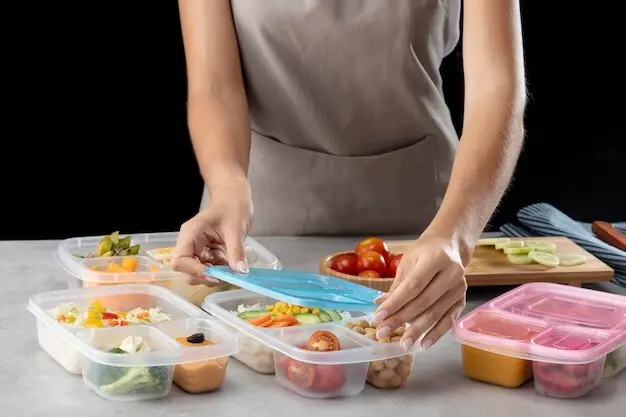
Plan tomorrow’s lunch while plating dinner. Portion extras immediately into grab-and-go containers, add a fresh element like citrus or herbs in the morning, and pack sauces separately. This small shift prevents vending-machine detours, stretches your budget, and keeps midday energy steady. Future you will thank present you with genuine relief and satisfying, unhurried bites.
Tools, Apps, and Tiny Habits
Technology helps when it reduces taps and clarifies choices. Favor simple tools that sync lists, surface past wins, and nudge timely reminders. Pair them with tiny habits—micro-steps that stick under pressure. The right combination increases follow-through, lightens mental load, and transforms everyday cooking into a dependable ritual that protects evenings for connection, rest, and small celebrations.